Sports card collecting for beginners is easiest when you start with the part that already matters to you. A favorite player, hometown team, championship run, childhood set, or a sport you watch every week is enough. You do not need to know every brand, chase every release, or turn a first purchase into a prediction about the future.
Good collecting is less about getting in at exactly the right moment and more about building a point of view. The cards you keep should make sense to you. This guide gives you a practical path for choosing a focus, buying carefully, handling cards without creating damage, and building habits that still work when your collection grows.
1. Start With a Focus You Can Explain
Before buying a box or scrolling through listings, decide what you would be excited to pull out and show someone. Your focus can be broad at first, such as one favorite team or sport. It can also be specific: rookie cards from a player you follow, a complete set from one season, signed cards, vintage baseball, women’s basketball, or cards tied to a memorable game.
A focus does not lock you into one kind of card forever. It gives you a filter. When every release, parallel, and online listing is asking for attention, a filter makes it easier to decide what belongs in your collection and what can be left for someone else. It also keeps a beginner budget from disappearing into cards that do not mean much once the opening excitement fades.
Try writing one sentence: “I am collecting this because it connects to a story I care about.” The second half matters. A collection built around players you watched with family or a season you still remember gives you something personal to build around. It is also easier to organize than a pile of cards bought only because they were available.

2. Learn the Basic Card Details
Most sports cards carry more information than a player name and a photo. Take a moment to find the year, brand, set, card number, player, team, and any detail that makes the card different from the base version. That might be a numbered print run, autograph, memorabilia piece, rookie-card mark, insert name, color parallel, or graded label.
Those details are how collectors describe the exact card. Two cards of the same athlete can have very different scarcity, condition, and demand. A listing that simply says “star player card” does not tell you enough to compare it with another card or understand what you are getting. Slow down until you can identify the card in front of you with confidence.
For a raw card, compare the front and back to reliable images from the same release, then note the card number and variation details. For a graded card, read the label as well as the front. If you are considering a signed or game-used item, use the same careful mindset in XPR VIP’s sports memorabilia authentication guide: the proof should support the specific claim, not just make a listing look more convincing.
3. Set a Hobby Budget Before You Start Chasing
Sports cards can be collected at almost any spending level. That does not mean every product or listing is right for a beginner. Pick a simple monthly or per-event amount that feels comfortable, then decide how you want to use it. You might reserve part for a few individual cards you really want and part for the fun of opening a pack or a modest box.
Singles are often the clearest way to collect with purpose. Instead of hoping a pack contains a specific player or parallel, you can buy the exact card after comparing its condition and price. Packs and boxes can be fun, especially when you enjoy the surprise or want to learn a new set, but they are not a guaranteed way to obtain a particular card.
Keep the first purchases modest while you learn. A small group of well-chosen cards teaches you more than a rushed pile of expensive ones. You will start to recognize the sets, years, players, and card types that keep your attention. That knowledge becomes much more useful than trying to copy somebody else’s buying habits.

4. Buy the Card, Not the Story Around It
Listings can make every card sound rare, historic, or ready to rise in value. Your job is to look past the excitement and understand what is actually being offered. Ask for clear photos of the front and back, read the condition description, and make sure the year, set, card number, and variation match the price you are considering.
Condition has a real effect on how a card looks, protects, and sells. Check corners, edges, surface, centering, print marks, creases, stains, and scratches. A small issue does not make a card worthless or uncollectible. It simply means the card should be described and priced honestly. That is particularly important when you are comparing a raw card with a graded example.
For cards that appear expensive because of an autograph, memorabilia claim, or unusual variation, request information that explains the claim. A certificate, serial number, or label should be tied to the actual item. If the answers are vague, the photos are too limited, or the deal feels designed to rush you, leaving the card behind is a sound decision. Another card will come along.
When you want to understand whether a card deserves the added cost of a professional holder, XPR VIP’s card grading guide walks through the decision more closely. Grading can add useful information and protection, but it is not a shortcut for every card that looks promising.
5. Protect Cards From the First Day
Condition cannot be added back after a card is scratched, bent, or exposed to moisture. Handle cards by the edges, use clean hands, and avoid resting a card on a rough desk or pulling it out of a tight wrapper. A clean soft sleeve is a sensible first layer for many cards. More valuable, fragile, frequently handled, or thicker cards may need a rigid holder sized for their dimensions.
Protection should fit the card and the way you use it. A favorite card in a binder benefits from a well-made page that keeps it from moving. Cards you view rarely may be better in sleeves and a stable box. Graded cards need room where their slabs will not scratch, lean, or shift. The goal is not to put every common card in the most expensive holder. It is to keep cards clean, supported, and easy to find.
Do not tape directly on a card or let rubber bands press cards together. Avoid eating or drinking over an open collection. These sound like small rules, but most accidental damage begins with one casual shortcut. XPR VIP’s sports card storage guide can help you choose a stable home for the cards you decide to keep.

6. Keep a Simple Record of What Matters
You do not need a complicated app or spreadsheet on your first day. Start by recording the cards you would be disappointed to lose, damage, or forget you own. Note the player, year, set, card number, condition, where you got it, and a few photos. For graded or authenticated cards, include the label information and certification number when available.
A simple record helps you enjoy the collection as it grows. It can show you which teams or players you have been collecting, prevent accidental duplicate purchases, and make it easier to explain a card to a family member, insurer, or future buyer. It is also a good place to separate cards you plan to keep from cards you may trade, sell, or send for grading.
Build a system you will actually update. A notebook, labeled card-storage boxes, a basic spreadsheet, or a collection app can all work. The best system is not the one with the most tabs. It is the one that lets you find a card without turning every search into a box-by-box hunt. XPR VIP’s card organization guide offers a straightforward system once your first group of cards starts to expand.
7. Trade and Sell Without Losing Your Bearings
Trading can be one of the best parts of the hobby because it gives cards a way to find the people who value them most. Start with lower-stakes cards until you understand how another collector communicates, photographs cards, packs shipments, and settles differences. Agree on exactly which cards are changing hands, their condition, and whether tracking or extra protection is needed before anything ships.
Selling is useful when you have duplicates, your tastes change, or you want to fund a different part of the collection. Before listing, identify the exact card and use recent completed sales of genuinely similar cards as context. Asking prices are not proof of what a card sells for. Keep your description honest, use clear photos of the actual card, and protect it in transit as carefully as you protected it at home.
The sports card selling guide explains that process in more detail, while the card shipping guide covers the protection and records that matter once a card leaves your hands. A good trade or sale should leave both people clear on what happened, not wondering what was left out of the listing.
8. Give Yourself Room to Learn
Every experienced collector has bought a card they later cared less about, overlooked a detail, or changed direction after learning more. That is normal. A first collection does not need to be perfect. It needs to be enjoyable enough that you want to keep learning about the players, seasons, and stories you care about.
Set a few personal rules that make decisions easier: wait a day before a larger purchase, protect cards before filing them away, research an unfamiliar card before buying it, and keep your collection separate from money needed for everyday life. These rules leave plenty of room for fun while reducing the choices you may regret later.
How XPR VIP Fits Into the Story
At XPR VIP, authenticated collectibles are part of the moments fans want to keep close, from the player who made you a fan to the event that still has a place in your memory. Starting a collection thoughtfully makes it easier to recognize the pieces that deserve a place in your long-term story.
You can explore XPR VIP’s collectibles direction, see the broader range of sports experiences and rewards being built for fans, or get launch updates for future announcements.
Your First Steps
A Beginner Card Collecting Checklist
- Choose a player, team, sport, set, or memory that gives your collection a real focus.
- Set a modest budget before shopping or opening products.
- Learn the year, set, card number, and variation before buying a card.
- Ask for clear front-and-back photos and read condition descriptions closely.
- Use clean sleeves, the right holders, and a stable place to store cards.
- Keep a simple record of the cards that matter most to you.
- Trade and sell with clear details, honest condition notes, and careful packing.
Frequently Asked Questions
Starting a Collection
How much should a beginner spend on sports cards?
Start with an amount you would be comfortable spending on entertainment. A small budget helps you learn what you enjoy without turning every purchase into pressure. You can always spend more later when your focus, condition standards, and buying habits are clearer.
What sports cards should a beginner collect?
Collect the players, teams, sports, sets, or moments you genuinely care about. A focused personal collection is easier to enjoy and organize than a pile of cards bought only because someone said they might rise in value.
Are sports cards a good investment?
Some cards retain or gain value, but prices can move quickly and condition matters. It is safer to treat a collection as a hobby first. Buy cards you would still be happy to own if the market changed, and research carefully before spending on a higher-value card.
Do beginners need to get cards graded?
No. Grading is useful for some cards when protection, documentation, condition, and likely demand justify the cost and wait. Most beginners are better served by learning how to identify, protect, and store cards before deciding whether a specific one belongs in a submission.
Keep Reading
Related Posts
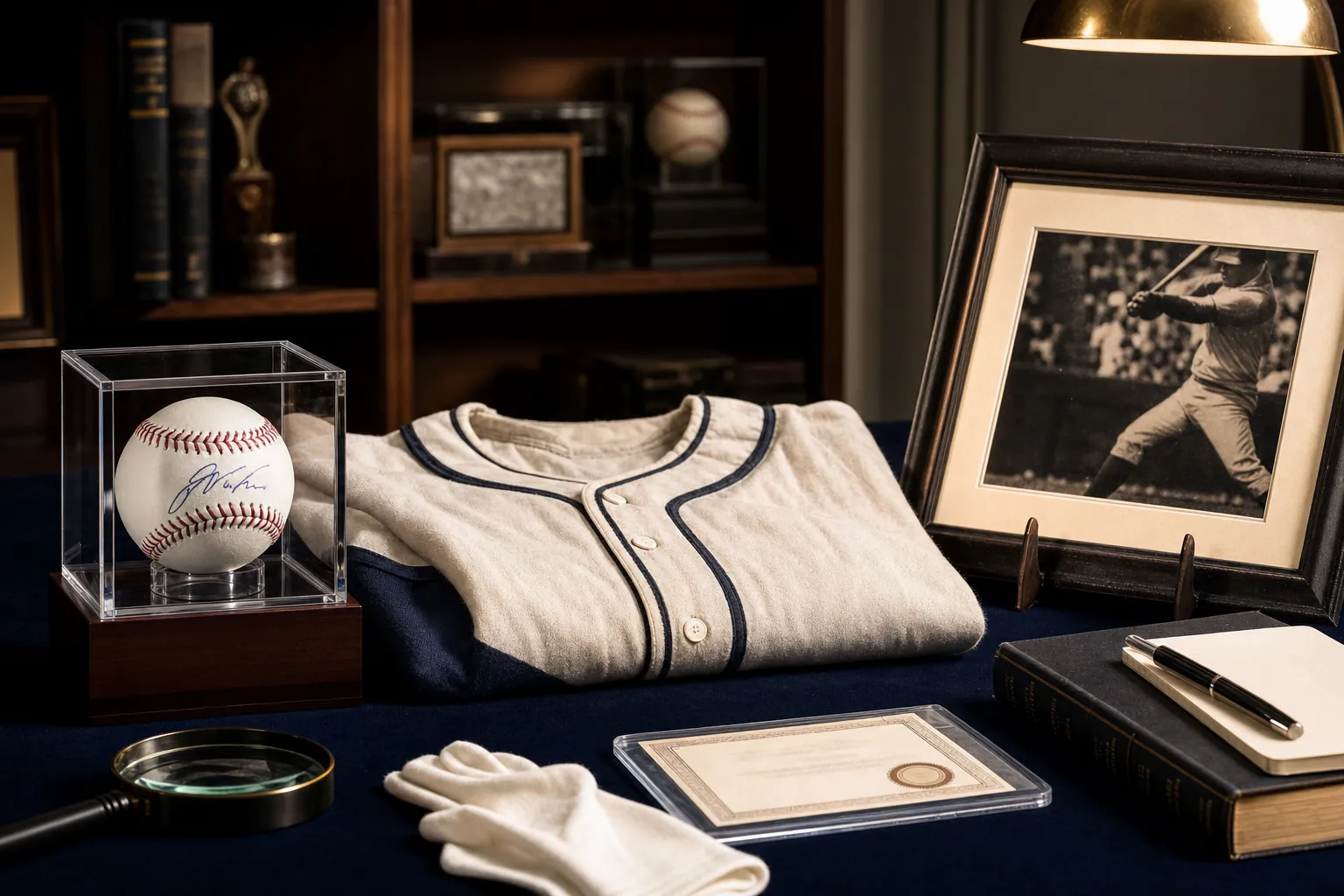
Sports Memorabilia Authentication: What to Check Before You Buy
A practical guide to provenance, certification, and smart questions that help collectors buy sports memorabilia with more confidence.
Read The Guide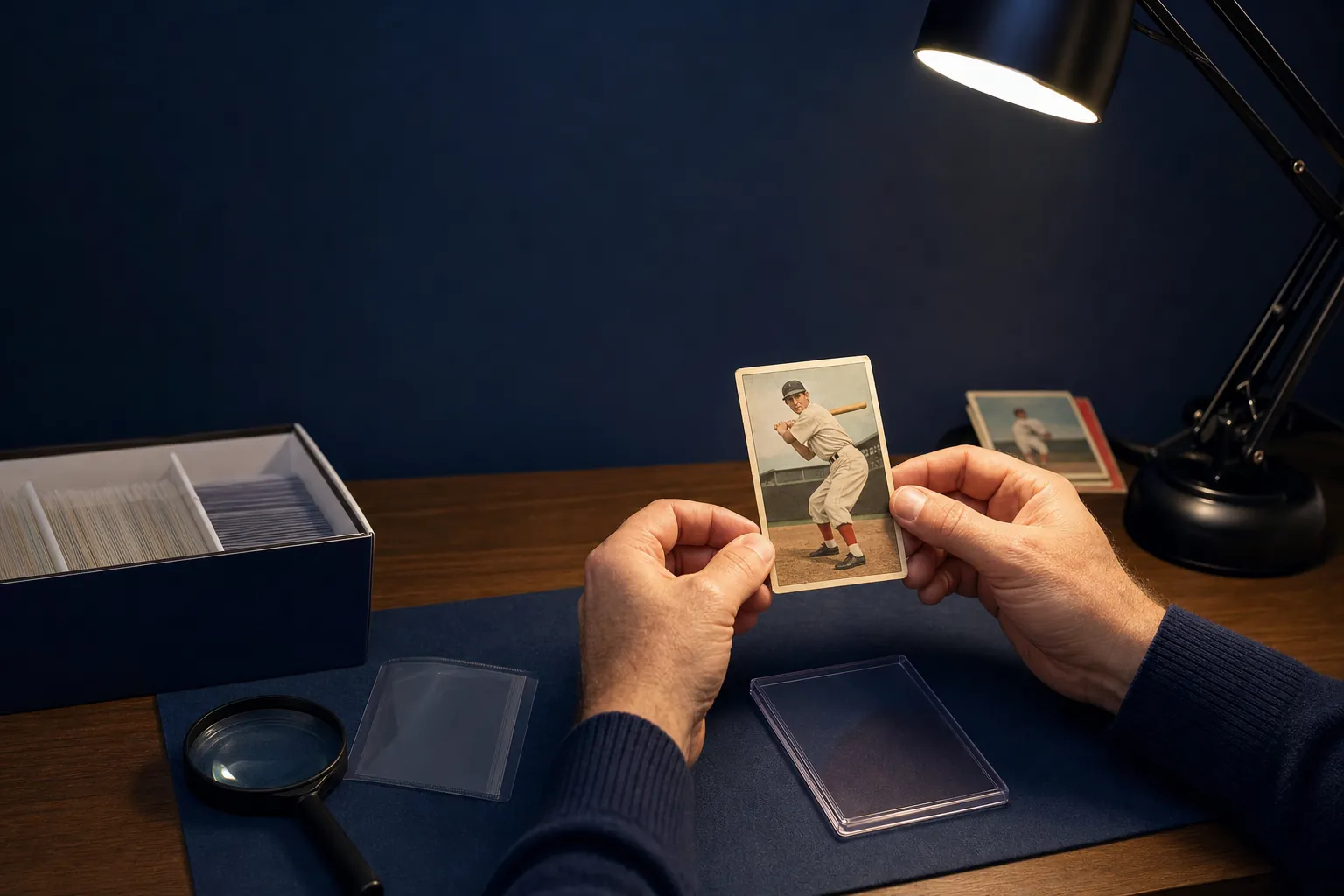
How to Get Cards Graded: A Collector’s Step-by-Step Guide
A clear way to decide which cards to grade, prepare a careful submission, and protect your collection before it ships.
Read The Guide
How to Ship Sports Cards Safely: A Collector’s Guide
A clear way to protect cards, pack a stable box, choose sensible shipping, and keep the records that matter.
Read The Guide
How to Store Sports Cards: A Collector’s Guide
A practical way to choose card protection, build a stable storage setup, and keep a collection organized for the long term.
Read The Guide