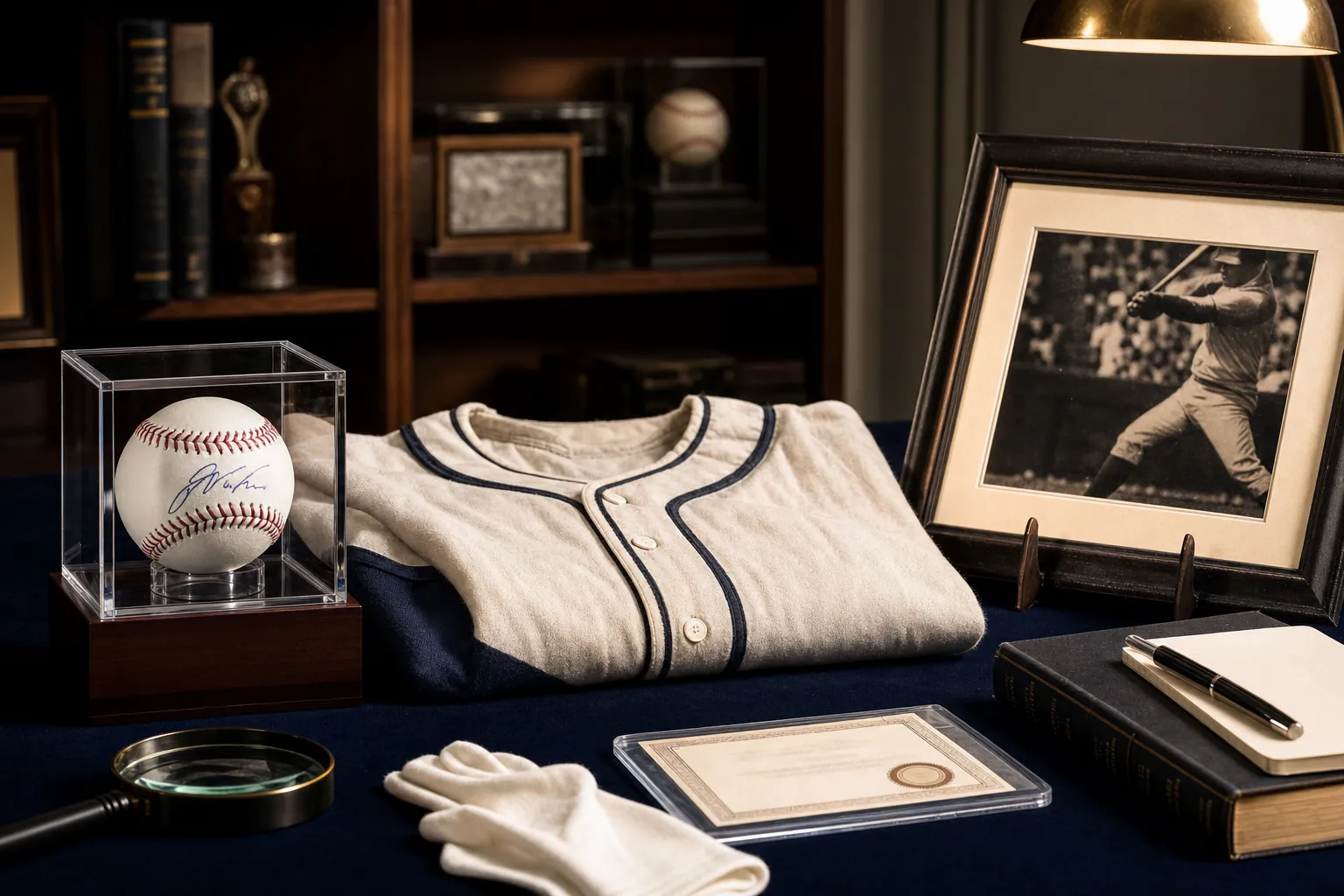
A signed ball, game-used jersey, or framed photo can hold a real connection to a moment you care about. The hard part is knowing whether the story attached to it holds up. Sports memorabilia authentication is not about making a collector paranoid. It is about slowing down long enough to understand what you are buying, what proof travels with it, and what questions are worth asking before money changes hands.
That discipline matters whether you are adding a modest keepsake to a shelf or considering a major purchase. A great item should still feel exciting after the initial rush, when you are looking at the paperwork, the condition, and the confidence you have in its history. This guide breaks down the checks that deserve your attention and the claims that need a closer look.
What Authentication Actually Tells You
Authentication is an informed opinion about whether an autograph, object, or claimed association is genuine. It is useful, but it is not one blanket promise that covers every part of a listing. A signed baseball may have a verified signature while the claim that it was used in a particular game needs separate evidence. A jersey can be genuinely signed but still have an unclear chain of ownership.
Start by naming the claim you need to verify. Is it the signature, the game use, the athlete association, the edition, or the history of ownership? The best documentation matches that exact claim. Major third-party authenticators such as PSA, Beckett Authentication Services, and JSA evaluate signatures, while witnessed signings and league or team programmes can create a stronger record from the start.
That is why the word “authenticated” should open a conversation rather than end one. Ask what was authenticated, by whom, and how the result can be checked independently.
1. Look for a Chain of Story, Not Just a Single Paper
Provenance is the record that explains how an item moved from its origin to the present owner. For a signed item, that may include a signing photo, an event ticket, a dealer invoice, a dated letter, a prior auction listing, or a trusted collector’s record. No single document is magic. The strength comes from the pieces agreeing with one another.
A listing becomes more believable when the story is specific. “Signed at a charity event in 2018, photographed at the table, later certified by a recognised authenticator” gives you concrete details to verify. “Found in an old collection” may be honest, but it leaves a lot of unanswered questions. Treat vague origin stories as a reason to research further, not as a reason to accuse anyone of bad intent.
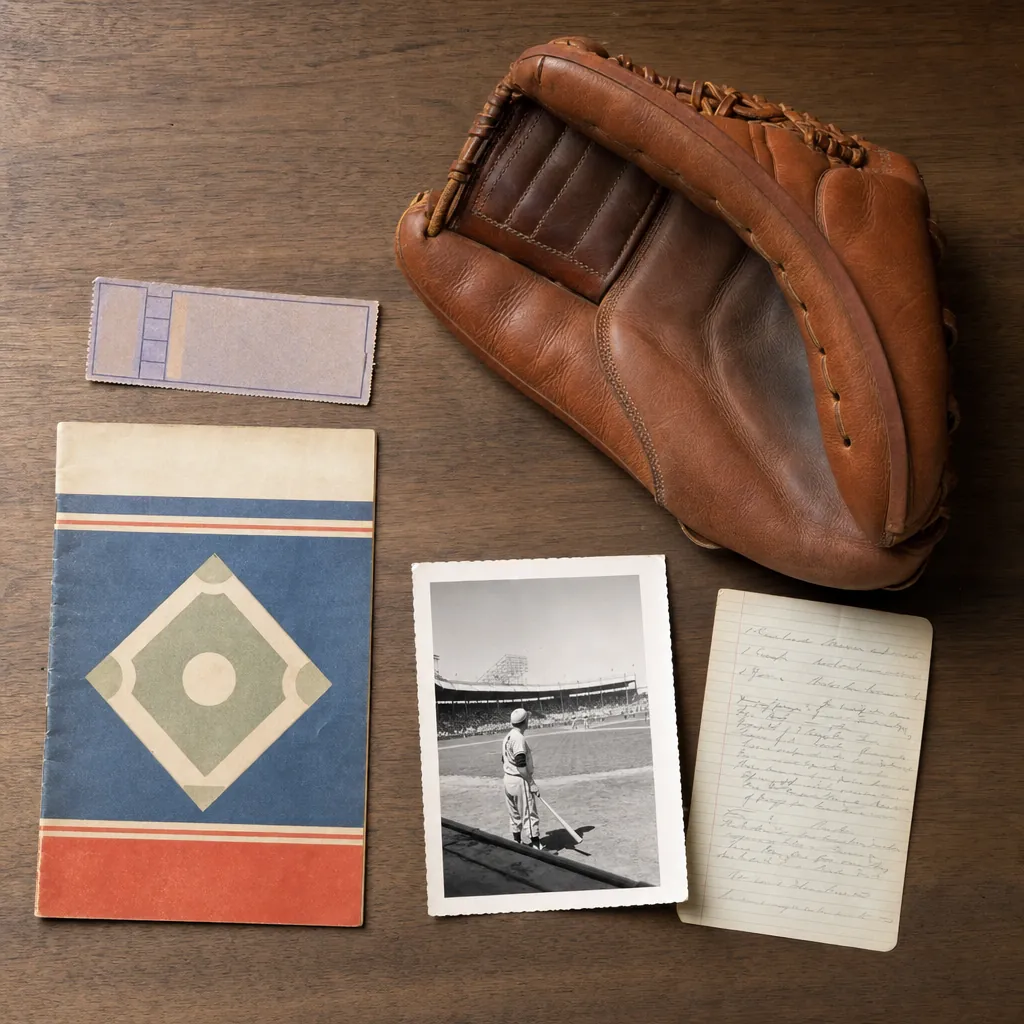
Keep copies of the records you receive. If the piece stays with you for years, that file becomes part of its story. If you ever display, insure, gift, or sell it, organised paperwork makes the next conversation much easier.
2. Verify the Certification Where It Was Issued
When an item carries a certification number, hologram, or letter of authenticity, use the issuer’s own verification tool before you buy. Do not rely only on a screenshot provided by the seller. The issuer’s lookup should describe an item that makes sense alongside the piece in front of you, including the signer, item type, and certification status where that information is available.
For example, PSA explains that authenticated memorabilia can be checked through its certification verification service, and its witnessed programme documents signatures in real time at eligible events. That is a different kind of evidence from a later opinion based on examination. Neither route makes every purchase automatic, but understanding the difference helps you judge the strength of the record.
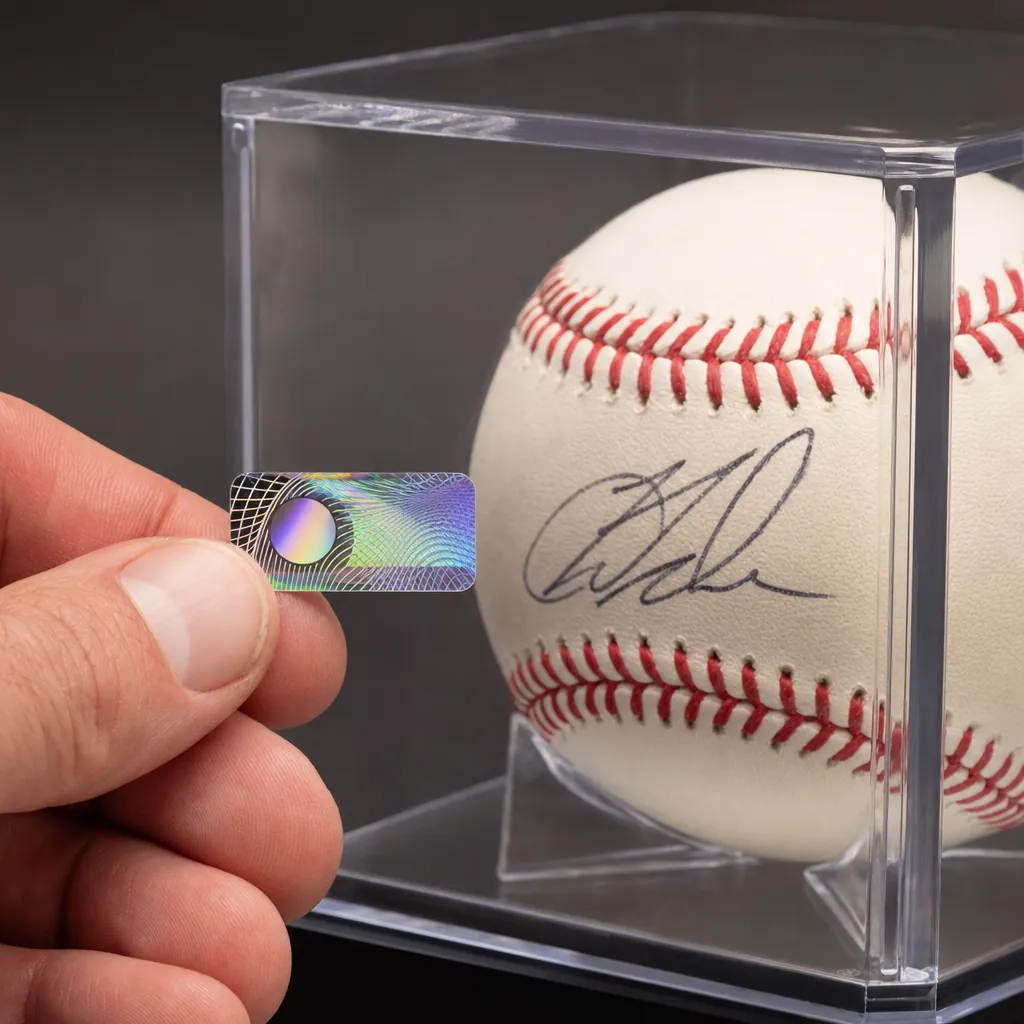
Be careful with loose certificates that are not tied to a specific object, labels that appear damaged or altered, and serial numbers that cannot be found. A clean answer from the original issuer is better than a persuasive explanation from a listing.
It also helps to distinguish a certification from a generic certificate of authenticity. A certificate is only as useful as its link to the item and the organisation behind it. A clear issuer, a specific description, a matching number, and a way to check the record are all more meaningful than impressive-looking paper with no independent trail.
3. Separate Signature Authentication From Game Use
Collectors often see several claims bundled into one item: “signed,” “game-used,” “team-issued,” “rookie season,” or “from a championship game.” Those phrases are not interchangeable. Signature authentication addresses the autograph. Game use requires evidence that the item was actually worn, used, or issued in the stated context.
For baseball fans, Major League Baseball’s authentication programme is one example of an event-based record. It uses unique identifiers for eligible memorabilia and makes the associated information available for lookup. Other sports, teams, and events have different systems, and some older pieces simply will not have this kind of documentation.
When the claim drives the price, request proof for that claim. A real autograph on a generic jersey may be a great item. It should not be priced as a game-worn jersey without a credible game-use trail.
Older memorabilia can still be worth collecting even when it lacks modern event documentation. The right response is to set a price and expectation that reflect the available evidence. Provenance, period photography, trusted prior ownership, and a respected specialist’s opinion may all add context, but they should be described honestly rather than stretched into certainty.
4. Read the Item, Not Just the Listing
Photography cannot replace examination, but it can tell you whether a seller is giving you enough to work with. Look for clear, close views of the signature, the full item, certification marks, condition issues, and any identifying details. A seller who only provides a distant beauty shot is making it harder to evaluate the piece.
Ask for the basics directly: Can you see the back, the tag, the label, the display case, and the paperwork? Is there a return policy if the item does not match the listing? Has the item been altered, restored, framed, or cleaned? A well-framed display can make a piece look finished, but it does not replace evidence.
Condition matters too. Sunlight, humidity, smoke, adhesive, and poor storage can all affect a collectible. If you are building a collection around pieces that will stay meaningful for years, it helps to understand what XPR VIP means by authenticated collectibles and to treat the object itself as carefully as the story behind it.
5. Compare Price Against Proof
A low price is not automatically a red flag, and a high price is not automatically proof. What matters is whether the asking price makes sense for the level of documentation, condition, and market interest. Comparable results can be useful, but make sure you are comparing genuinely similar items. A signed photo, a limited-edition print, and a game-used piece may all feature the same athlete while belonging in entirely different price ranges.
Be especially cautious when a listing combines a desirable name, a dramatic story, and very little documentation. The emotional pull is real. That is exactly why a slower process helps. If the seller will not answer reasonable questions or the paperwork does not line up, walking away is a sound collector decision.
Before you commit, write down what would change your mind. It may be an unverified serial number, an unexplained mismatch between the label and the item, or a refusal to provide closer photographs. Having those boundaries in place turns a difficult decision into a simple one, and it protects the enjoyment of the collection you are building.
6. Buy for the Story You Want to Keep
The best collection is not built only around what might rise in value. It is built around the people, teams, places, and memories you genuinely want close by. That makes the research feel useful rather than exhausting. You are deciding which stories deserve a place in your life.
Start with a personal standard. You might decide that every signed item needs third-party authentication, that every game-used item needs a documented source, or that you only buy pieces with enough provenance to explain them proudly to someone else. A standard like that makes quick decisions easier when a tempting listing appears.
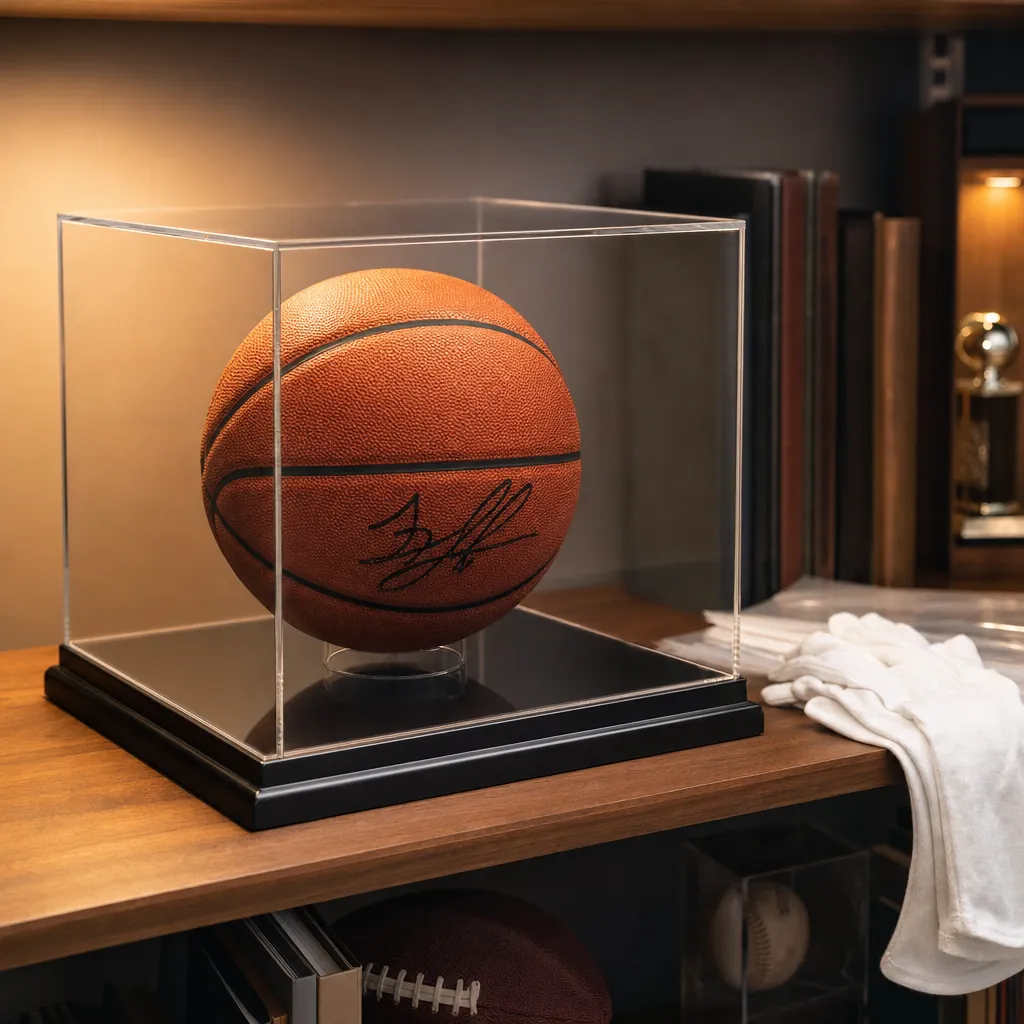
Once an item is yours, protect both it and its record. Store it away from direct light and unstable humidity, use archival-safe materials where possible, keep digital copies of documents, and record when and where you acquired it. Care is part of collecting, not an afterthought.
How XPR VIP Fits Into the Story
At XPR VIP, collectibles are part of the same idea as a once-in-a-lifetime trip or a big-game weekend: a way to hold onto the feeling of fandom. The platform is being built around sports experiences, travel, and collectible opportunities that give fans something real to look forward to and remember.
When future collectible opportunities are announced, the goal is to present the item and its drawing details clearly. Until then, this guide gives you a useful standard for the pieces you encounter on your own. You can see how XPR VIP works, learn more about the platform, or join the launch list for future announcements.
Before You Buy
A Quick Collector Checklist
- Name the exact claim you need to verify.
- Ask for clear images of the item, marks, and documentation.
- Check certification directly with the issuing organisation.
- Match the story, paperwork, and item details.
- Compare the price with truly similar pieces.
- Keep your own record once the piece is yours.
Frequently Asked Questions
Buying With More Confidence
Is a certificate of authenticity enough to prove sports memorabilia is real?
Not by itself. A certificate can be useful when it comes from a recognised source and connects to the exact item, but it should sit alongside a verifiable certification number, clear provenance, and a seller willing to answer specific questions.
Can I authenticate sports memorabilia after I buy it?
Yes. Third-party authenticators evaluate many previously signed items through mail-in and event submissions. Check the provider’s current submission rules, fees, turnaround time, and whether the item qualifies before you commit to a purchase.
What is the safest kind of signed memorabilia to buy?
Items witnessed at a signing or documented at the event are generally easier to evaluate because the chain of custody begins at the signature. For older pieces, look for a strong combination of provenance, condition, and reputable independent authentication.
Does authentication guarantee an item will increase in value?
No. Authentication supports confidence in what an item is, but value also depends on the athlete, item type, condition, demand, rarity, and the quality of its documentation. Buy pieces you are glad to keep, even if the market moves.
Keep Reading
Related Posts
How to Get Cards Graded: A Collector’s Step-by-Step Guide
A clear way to decide which cards to grade, prepare a careful submission, and protect your collection before it ships.
Read The Guide
How to Ship Sports Cards Safely: A Collector’s Guide
A clear way to protect cards, pack a stable box, choose sensible shipping, and keep the records that matter.
Read The Guide
How to Store Sports Cards: A Collector’s Guide
A practical way to choose card protection, build a stable storage setup, and keep a collection organized for the long term.
Read The Guide
How to Organize Sports Cards: A Collector’s Guide
A clear system for sorting, labeling, and tracking sports cards so a collection stays easy to find, protect, and enjoy.
Read The Guide