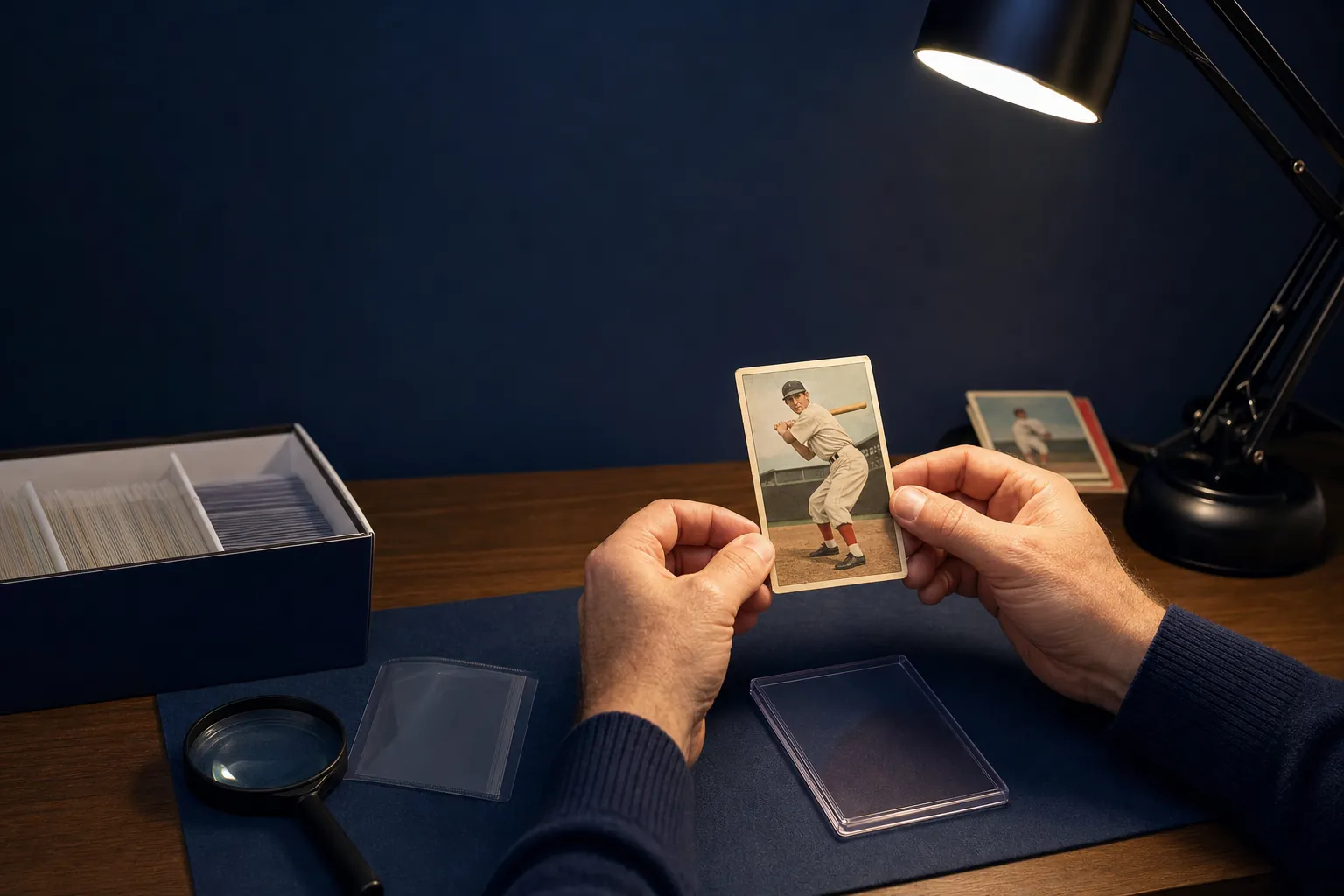
Getting a card graded can feel like handing a small piece of sports history to a system you do not fully control. The process is much simpler when you separate two questions: is this card worth grading for you, and what does a careful submission actually require? A good plan protects the card before it leaves your hands and keeps the result in perspective once it comes back.
Grading is a professional assessment of a card's condition, usually followed by encapsulation in a protective holder. It can help collectors compare condition, confirm authenticity where that service is offered, and make a card easier to store or sell. It is not a guarantee of a certain grade or future value. That is why the best submission begins before you choose a service level.
1. Decide What You Want the Grade to Do
Start with the job the grade needs to do. Maybe you want a favorite card protected for the long haul. Maybe you want a cleaner way to document condition before selling. Or perhaps you are deciding whether a card has enough demand and upside to justify the full cost of grading, shipping, insurance, and waiting.
Those goals lead to different choices. A vintage card with soft corners can still be worth grading for preservation and clarity. A modern card with a tiny print line may be better kept raw if a high grade is unlikely to change its value. Look at recent sales for comparable cards only after you have compared the player, year, card version, and condition honestly. A number on a label cannot fix a weak comparison.
Collectors who are still learning how to judge a listing can use XPR VIP’s sports memorabilia authentication guide alongside this one. The same habit applies: slow down, name the claim you are evaluating, and make sure the proof fits the purchase.
2. Inspect the Card Before You Spend Anything
Take the card out in good light, hold it by the edges, and examine it without trying to improve it. Most grading standards focus on centering, corners, edges, surface, and the card’s overall presentation. A close look can reveal a scratch, indent, wrinkle, print defect, or off-center border that is easy to miss in a quick glance.
Use a clean flat surface, a soft microfiber cloth nearby, and a magnifier if it helps you see the surface. Check both sides. Tilt the card gently under light to reveal lines or dents. Compare borders and picture placement rather than assuming a card is centered because it looks sharp at arm’s length. The point is not to predict an exact grade, it is to decide whether the card deserves the submission cost and the risk of travel.
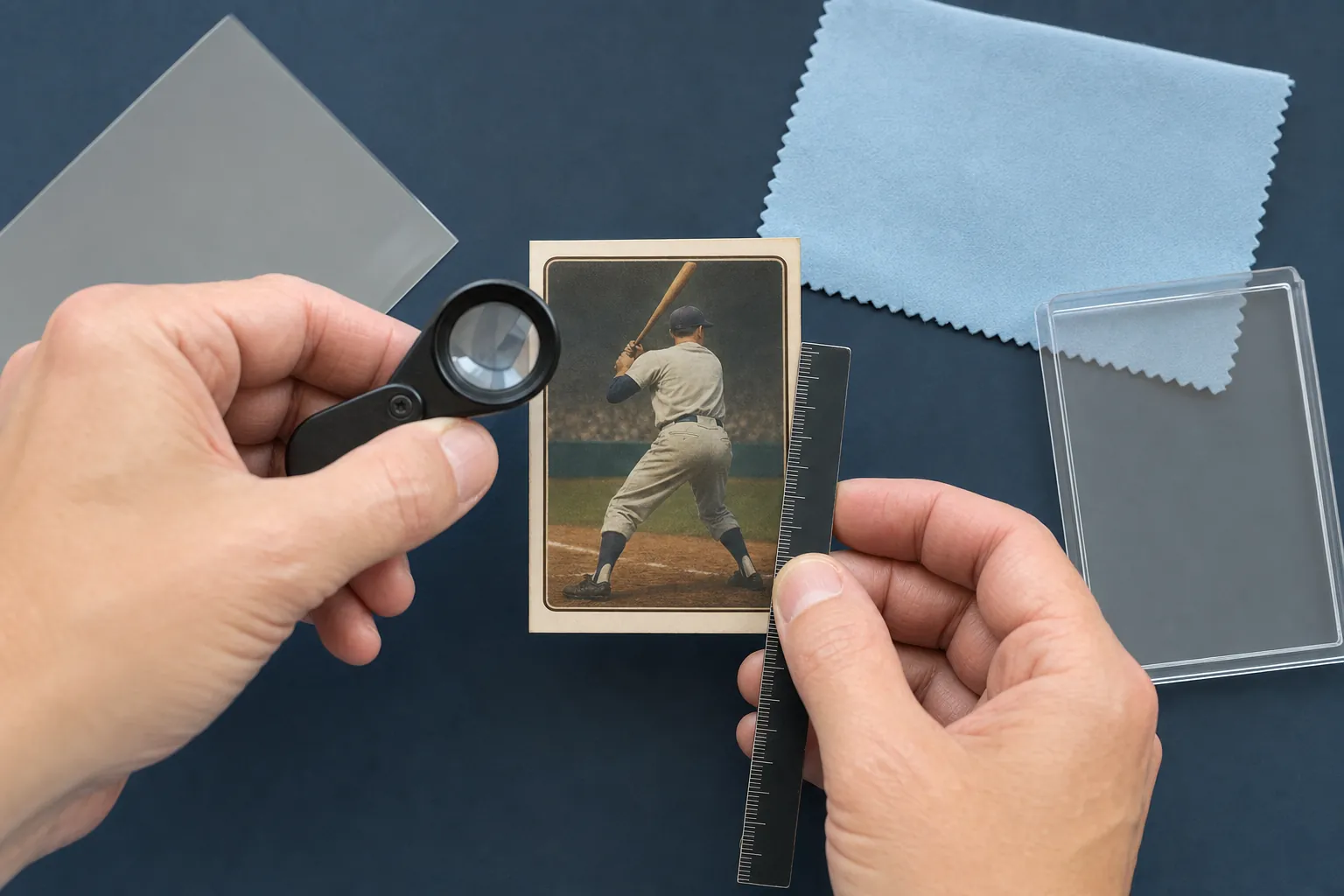
Do not trim edges, recolor a corner, press a crease, or use a strong cleaner. A card that has been altered may be damaged permanently or receive an altered designation. When the card’s condition is uncertain, treating it gently is the safest decision.
3. Pick the Service That Fits the Card
Choose a grader by reviewing its current rules, card categories, service levels, declared-value requirements, packing instructions, and turnaround expectations. The major services do not all handle every card type or submission route in the same way, so read the current instructions instead of relying on a forum post from a few years ago.
PSA’s trading-card grading information outlines its grading service and submission path. Beckett’s grading page explains its available card grading services, and SGC’s official site provides its own submission guidance. Read the service page that applies to the card in front of you, not just the brand name you have heard most often.
There is no universal winner. A collector may care most about resale familiarity, a vintage look, a particular grading scale, a bulk-submission option, or a service that accepts a specific card type. Make your choice based on your card and your goal. That is more useful than chasing a label out of habit.
4. Understand What a Grade Can and Cannot Say
Card grades are built around condition, not sentiment. Centering, corners, edges, surface, and eye appeal all matter, but a card may have an issue you cannot spot from a casual photo. Factory print lines, tiny surface dents, a barely visible crease, or uneven trimming can affect the outcome. Two cards that look nearly identical in a social post can grade very differently under close examination.
That is why it helps to set a range of outcomes before you submit. Instead of telling yourself a card must receive a top grade, ask whether you would still be comfortable owning or selling it if it came back one or two steps lower. A realistic range keeps the decision grounded and makes the result easier to use when it arrives.
For older cards, a lower grade is not automatically bad news. Vintage collectors often care about authenticity, scarcity, original surfaces, and the story a card carries. A professionally encapsulated lower-grade card may be exactly the right fit for a collection. The goal is clarity, not a score for its own sake.
5. Prepare the Card Exactly as Requested
Once you choose a submission path, follow that service’s current packing instructions line by line. In most cases, the card should go into a clean soft sleeve and then a rigid holder or card saver appropriate for submission. Avoid tape directly on a card holder. Keep hands clean and dry. Do not put the card loose in a box where it can shift.
Complete the submission form carefully. The description, declared value, service level, and return shipping details should match the card and your intentions. If a service asks for a particular label or order number, place it where its instructions say. A simple checklist keeps a small paperwork error from becoming a delay.
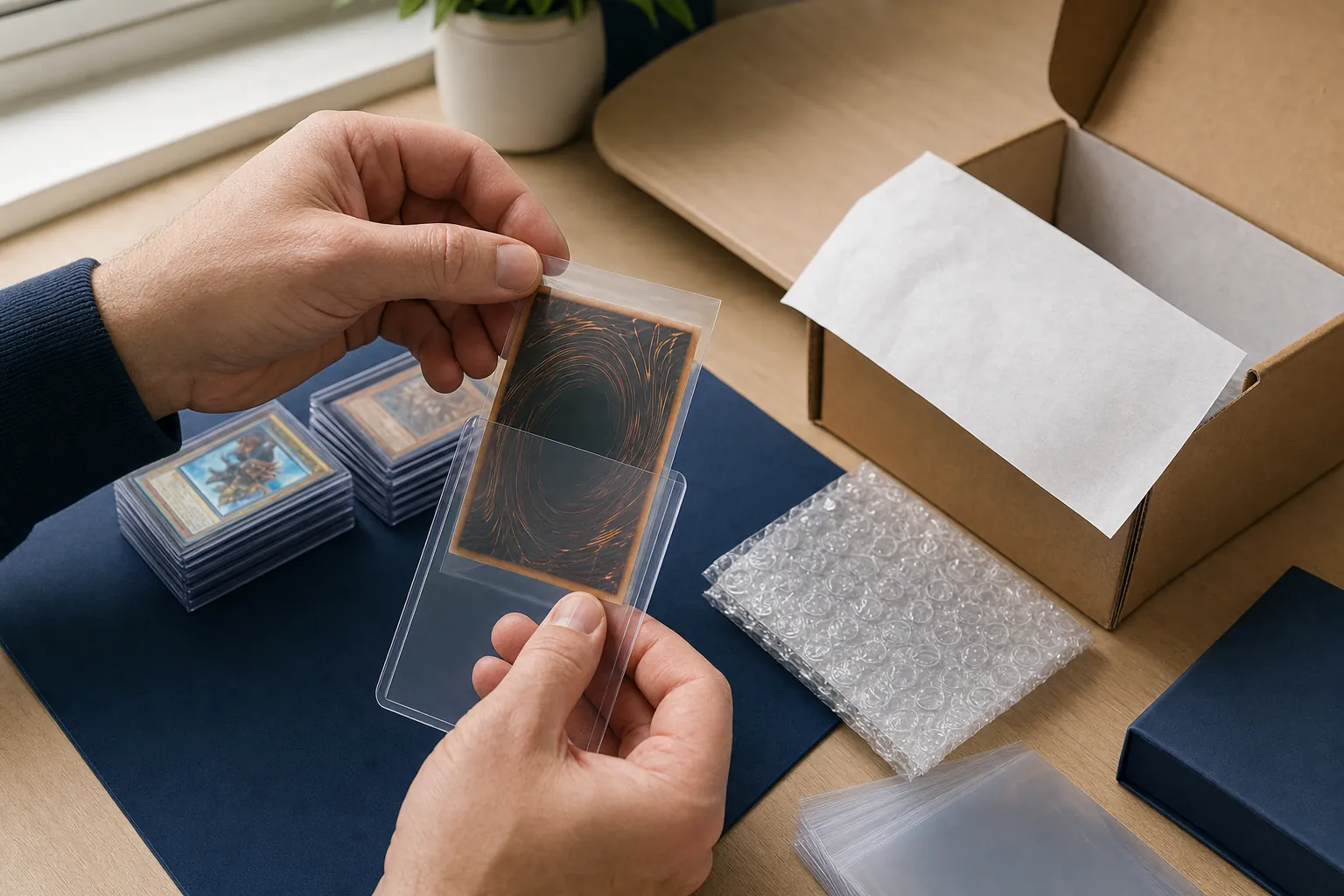
Take clear front-and-back photos before packing. Those photos will not predict the grade, but they create a useful record of the card’s condition and the exact card you sent. Keep copies of your form, shipping receipt, tracking number, and insurance details together until the card is safely back in your hands.
6. Keep Costs Proportionate to the Card
Before you finalize an order, add up the whole decision: the grading fee, shipping to the grader, return shipping, insurance, taxes where applicable, and any membership or handling costs. A low per-card service price can look different once a single-card shipment is fully packed and insured. The most economical route is not always the cheapest service tier, it is the route that matches the card’s value and your reason for grading it.
For a larger group of cards, sort them into three piles: cards you would grade even for your own collection, cards that need stronger condition or market research first, and cards that are better left raw. That simple sort protects you from sending every promising card in one enthusiastic batch. The strongest submissions are intentional, not automatic.
7. Ship for Protection, Not for Luck
Your package needs to protect against movement, pressure, and moisture. Use a sturdy outer box rather than an envelope for valuable cards. Secure the protected cards so they cannot slide inside the package, add clean padding, and use a shipping method that gives you tracking. For cards with meaningful value, consider insurance that reflects the amount you would reasonably need to recover if the package were lost or damaged.
Do not overpack a card into a bulky, loose box. The goal is a stable, protected package that follows the grader’s receiving instructions. Before sealing it, review the address, order number, and service-level requirements once more. Then keep the tracking information and wait for the grader’s own confirmation that the package has arrived.
8. Keep the Result in Perspective
A grade is a professional opinion based on the card as it is presented. It can be gratifying, disappointing, or simply useful. A lower-than-hoped grade does not make the card meaningless, especially when the card has personal, vintage, or rarity value. It tells you something about its current condition, and it may still protect the card in a durable holder.
When the card returns, inspect the holder and label, save your submission record, and update your collection notes. A graded card deserves sensible storage away from direct light, excess heat, and unstable humidity. The same care applies whether it is a favorite card you keep forever or a card you may eventually trade.
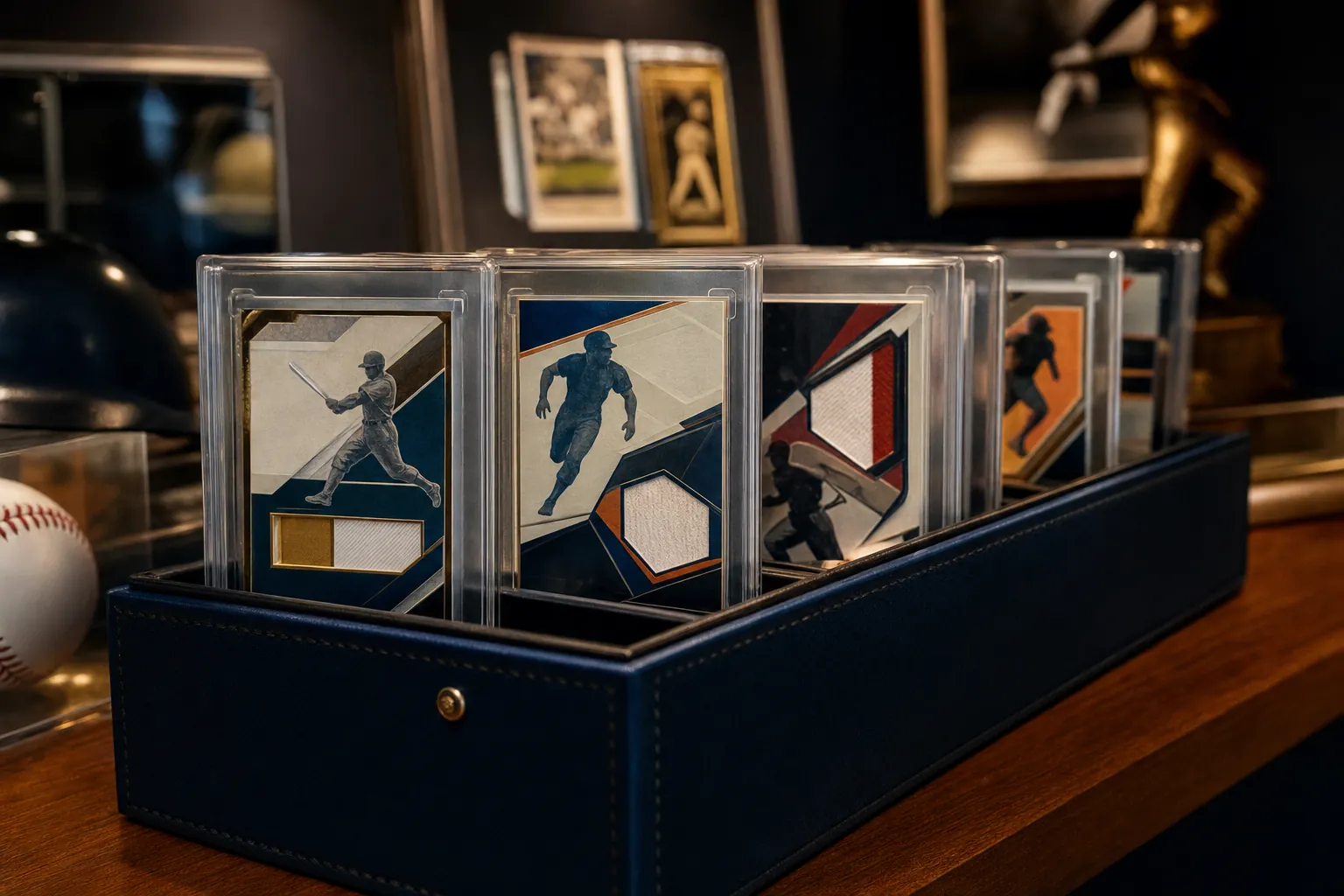
Use the return as a chance to make your collection easier to understand. Record the grader, certification number when available, grade, submission date, and where the card came from. A simple digital folder with your pre-submission photos and receipts can be more useful than trying to reconstruct the story years later. It also lets you explain the piece clearly if you insure it, pass it along, or decide to sell it.
Most important, do not let one result turn grading into a chase. A grade can add information and protection, but the card should still connect to a player, set, season, or moment you care about. That is the part of a collection that does not depend on a label.
When you are unsure, waiting is a valid choice. Put the card back in a safe sleeve, revisit it after you have reviewed comparable examples, and grade it later if the reason becomes clearer. A deliberate collection is easier to enjoy than a rushed one. The next good card will still be there, and a clear decision is worth more than submitting from fear of missing out for a fleeting moment today.
How XPR VIP Fits Into the Story
At XPR VIP, authenticated collectibles are part of the same promise as a major sports experience: a chance to hold onto the moments that matter to fans. The platform is being built around sports experiences, travel, and collectible opportunities, with each future drawing explained clearly when it is announced.
This guide gives you a more confident way to care for the cards already in your collection. You can also explore XPR VIP’s collectibles direction, see how the platform works, or join the launch list for future opportunities.
Before You Submit
A Quick Card Grading Checklist
- Decide whether protection, documentation, or resale is your main goal.
- Inspect the card under good light without altering it.
- Read the grader’s current rules for your card and service level.
- Use the requested sleeve, holder, form, and packing method.
- Photograph the card and keep your submission records together.
- Store the returned card away from direct light and unstable heat or humidity.
Frequently Asked Questions
Card Grading Basics
How do I know whether a card is worth grading?
Start with condition, player or set demand, and the difference a strong grade could make. A card does not need to be expensive to be worth grading for a personal collection, but the likely value and your goal should justify the cost, time, and shipping risk.
Can I clean a card before grading?
Only use methods recommended by the grading company and avoid altering a card. Aggressive cleaning, trimming, recoloring, or surface work can damage the card or lead to an altered designation. When in doubt, handle it by the edges and submit it as it is.
Which grading company should I use?
Choose a company by checking its current submission rules, service levels, turnaround estimates, accepted card types, and how collectors value its labels for the kind of card you own. There is no single best choice for every card or every collection.
Should I grade cards that are not in perfect condition?
Sometimes. Vintage, scarce, or personally meaningful cards can still benefit from authentication, protection, and a consistent condition assessment. Just set expectations honestly: a lower grade may be the correct result, and it may not raise market value enough to cover the submission.
Keep Reading
Related Posts

Sports Memorabilia Authentication: What to Check Before You Buy
A practical guide to provenance, certification, and smart questions that help collectors buy sports memorabilia with more confidence.
Read The Guide
How to Ship Sports Cards Safely: A Collector’s Guide
A clear way to protect cards, pack a stable box, choose sensible shipping, and keep the records that matter.
Read The Guide
How to Store Sports Cards: A Collector’s Guide
A practical way to choose card protection, build a stable storage setup, and keep a collection organized for the long term.
Read The Guide
How to Organize Sports Cards: A Collector’s Guide
A clear system for sorting, labeling, and tracking sports cards so a collection stays easy to find, protect, and enjoy.
Read The Guide